- Category
- Article
- DateFebruary 13, 2026
- AuthorMeaghan Kennedy
- Read Time10 Min
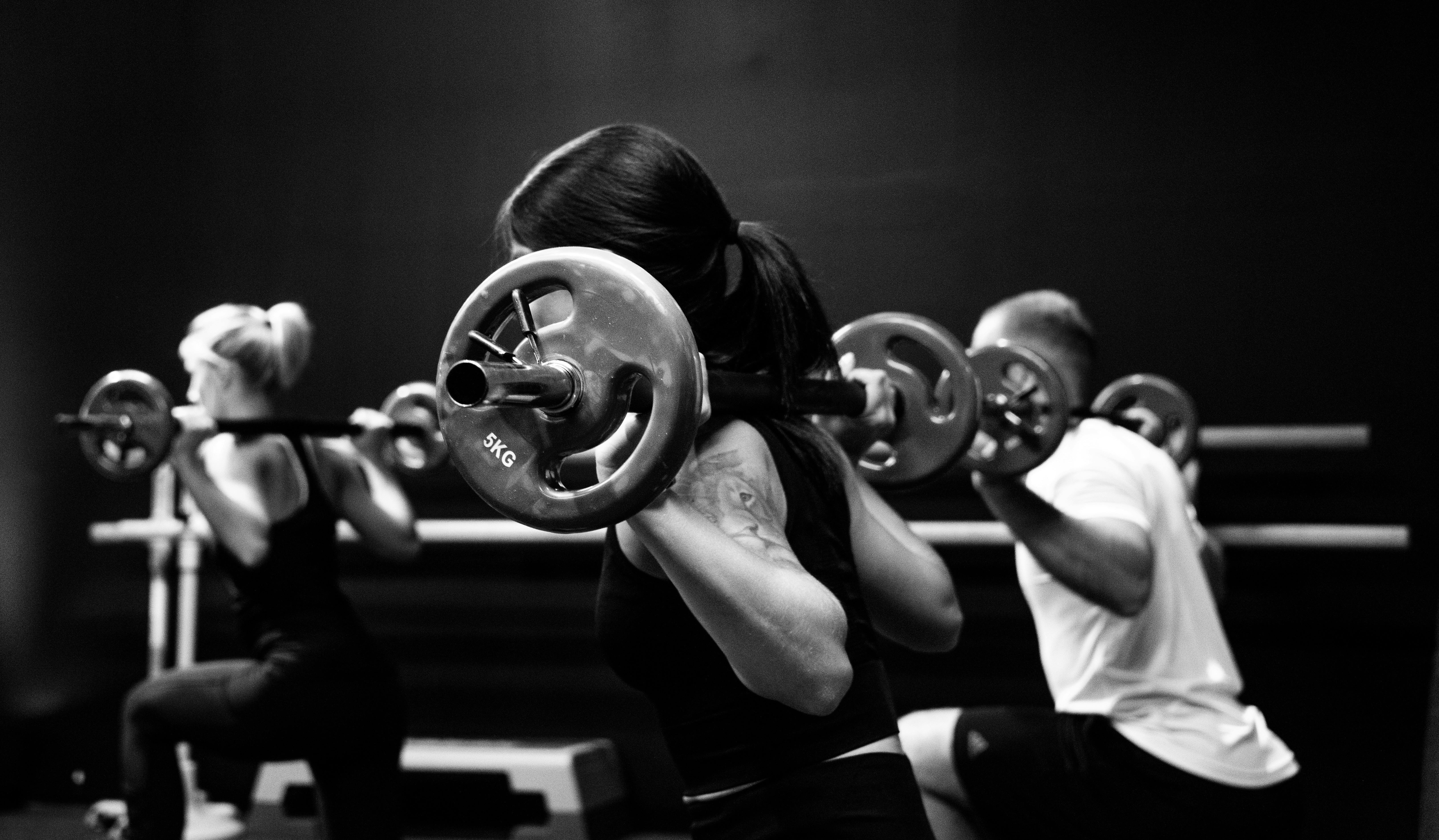
The Role of Progressive Overload for Women
One of the biggest mistakes I made in my first year of lifting was not applying progressive overload.
Like most people, my goal was fat loss when I started. My workout plan? Watching a different YouTube video every week — usually from Whitney Simmons — and copying whatever she posted. I changed my workout almost every session because I thought I needed to “shock my muscles.”
And yes, I lost fat.
When you go from sedentary to moving consistently, your body responds. Especially in the first year of training, when gains are the easiest.
But after the weight came off, I remember wondering:
Why don’t I look toned?
Where is the muscle definition?
Why don’t I have that shapely look?
Fat loss alone doesn’t build shape.
Muscle does.
In this article, I’m going to explain why sticking to the same workout plan for 4–6 weeks is critical — and how jumping from workout to workout is quietly sabotaging your results.
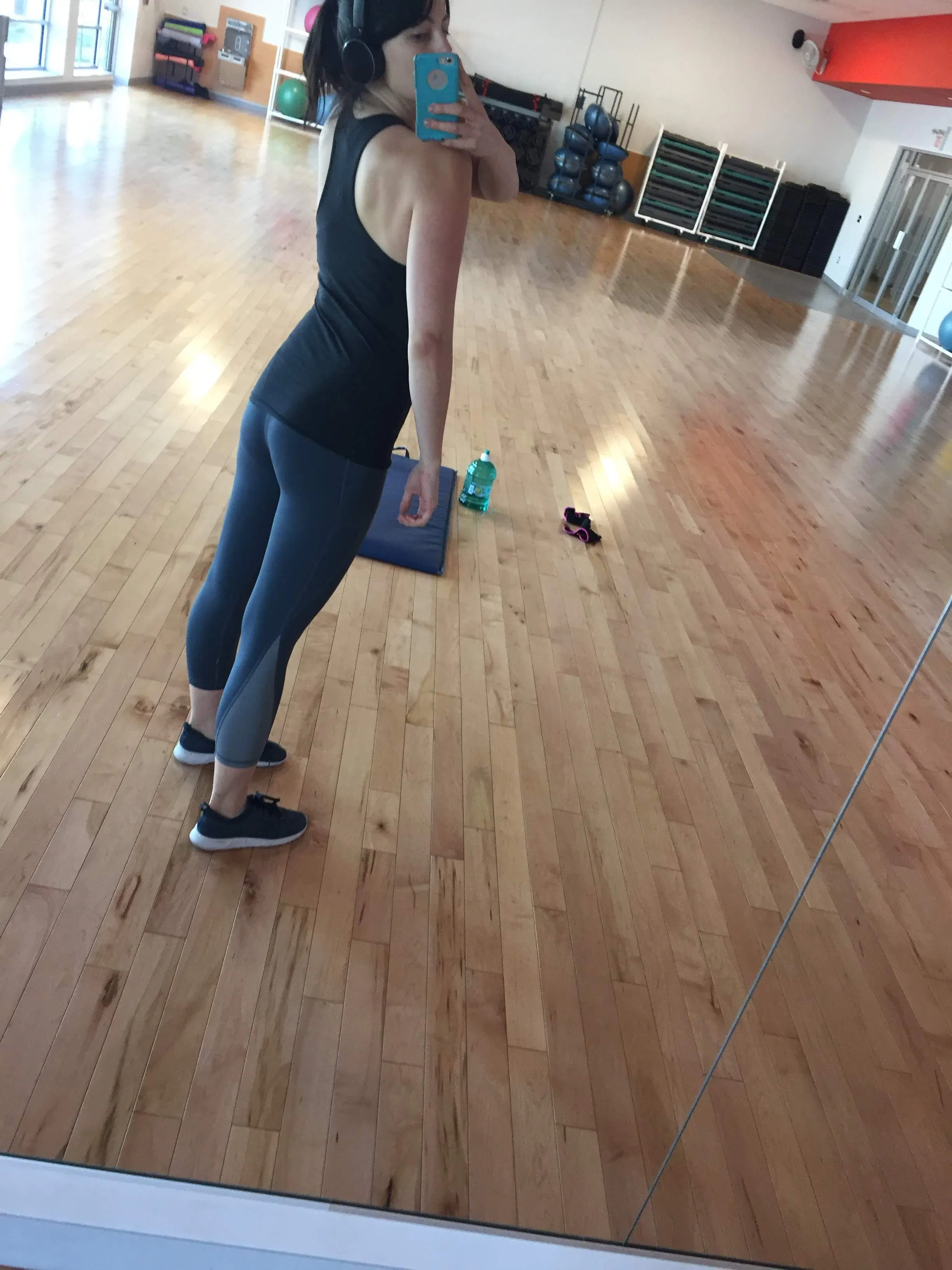
I had lost the weight, but I couldn’t understand why I still wasn’t building my glutes.

I Finally Lost the Weight — But Why Wasn’t I Building Muscle Despite Strength Training?
What Progressive Overload Actually Means
Progressive overload is a training principle where you gradually increase the demands placed on your body so your muscles, strength, and endurance continue improving.
If you keep doing the same workout with the same weight and intensity, your body adapts — and stops changing.
The human body will not change unless it is forced to (Smith et al., 2021).
If an individual consistently trains with the same weight, repetitions, and sets week after week, their body adapts to the workload, and progress eventually stalls.
Progressive overload pushes your body to adapt further.
Why You Should Stick to the Same Plan for 4–6 Weeks
When you change your workouts every week:
- You can’t track progress
- You can’t measure strength improvements
- You never truly master the movement
- You remain in the beginner phase
Muscle growth requires repeated exposure to the same movement patterns so you can progressively improve performance.
A structured 4–6 week training block allows you to:
- Increase weight safely
- Improve form and control
- Accumulate volume strategically
- Track measurable progress
This is how shape is built — not through random HIIT circuits.
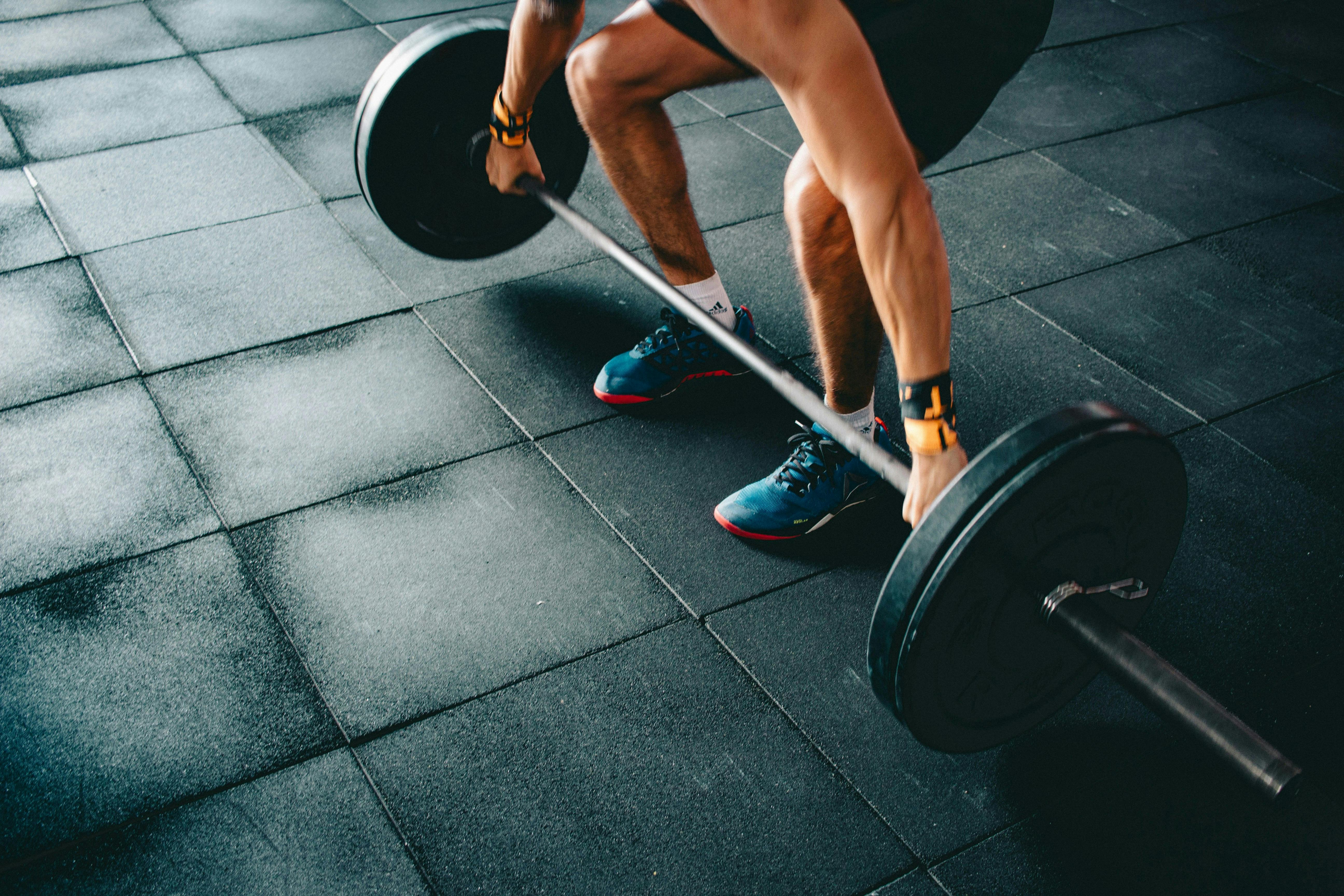
The Two Most Important Ways to Apply Progressive Overload
Increase the Weight
Weight increases can be as small as 2.5 to 5 pounds per week. In powerlifting or Olympic lifting gyms, you’ll often find micro plates that allow you to increase the load by even less than 2.5 pounds, which can be incredibly helpful for steady progression.
Lower-body movements like hip thrusts and deadlifts are typically easier to progress because those muscle groups are larger and stronger. On the other hand, shoulder exercises such as lateral raises and rotator cuff work are usually more difficult to increase in weight since these muscles are smaller and naturally weaker.
Some movement patterns will progress quickly, while others take more time — and that’s completely normal. If the last 2–3 reps of a set don’t feel very challenging (while maintaining proper form), you’re probably not lifting heavy enough. Your workouts should feel demanding — growth doesn’t happen in your comfort zone.
Increase the Reps
The reality is, you won’t always be able to increase the weight every single week — and that’s completely normal.
From a hypertrophy (muscle-building) standpoint, progress doesn’t have to come from load alone. Research suggests that meaningful progress can be made by increasing the load, increasing repetitions, or using a combination of both over the course of an 8-week training block. The broader body of literature consistently shows similar muscle growth across a wide range of loading intensities, as long as progressive tension is applied.
In other words:
You don’t have to lift heavier every week to build muscle — but you do need to challenge your body progressively.
Here’s a practical guideline:
- If you can’t complete at least 6 reps with good form → the weight is too heavy. Lower it.
- If you can perform more than 10 reps comfortably → it’s time to increase the weight.
This 6–10 rep range is a powerful zone for building strength and muscle, especially when the last 2–3 reps feel challenging while maintaining proper form.
Progression isn’t about ego lifting.
It’s about creating enough stimulus for adaptation — whether that comes from adding weight, adding reps, or strategically combining both.
Other Ways to Measure Progress
You can improve by:
- Improving form and control
- Slowing down tempo
- Reducing rest time
- Increasing weekly training frequency
- Adding movement variations (pause squats, tempo reps, etc.)
None of this matters, though, if you sacrifice technique. Do not increase weight if your form isn’t solid. Training to failure with poor form increases injury risk and undermines long-term progress.
Why This Matters Even More After 30
After 30, physiology changes. Women begin to gradually lose muscle mass starting around age 30 (Volpi et al., 2004).
On average:
Adults lose 3–8% of muscle mass per decade after 30
The rate increases with each decade
Inactivity accelerates the loss
Muscle loss affects:
Strength
Balance and stability
Insulin sensitivity
Bone density also declines gradually starting in the 30s, and can accelerate after menopause — increasing the risk of osteopenia and osteoporosis (NIH Osteoporosis and Related Bone Diseases National Resource Center, 2021).
Strength training with progressive overload is one of the most effective ways to slow — and even reverse — declines in muscle mass and bone density.
Random HIIT workouts might burn calories, but progressive overload builds muscle — and muscle is what gives you that defined, toned look.
If You’re Feeling Stuck, It’s Probably Not a Discipline Problem
If you feel like:
- You’re working out but not seeing results
- You look smaller but not shapely
- You keep program hopping
- You don’t know how to structure progression
It’s likely not effort — it’s structure.
This is exactly why I created my Online Strength Training Program for Women — designed specifically for women over 30 who want structured, progressive training without extremes.
Instead of guessing, you follow a plan built around:
- Intentional strength progression
- Sustainable fat loss
- Muscle building
- Long-term results
Learn more about my coaching services here:
👉 https://trainwithmeag.com/services
Because your body won’t change unless it’s forced to — intelligently.
You may also like

You don’t need more workouts—you need a better plan. If you’re a woman over 30 and bouncing between running, HIIT, and group classes with little to show for it, the issue isn’t effort. Its structure. Learn why strength training, progressive overload, and prioritizing muscle are the missing pieces for fat loss, fewer aches, and lasting results.

Metabolism is a critical component of weight management, and it slows down as you age. But that doesn't mean you're doomed to gain weight as time passes—plenty of ways to speed up your metabolism once you're over thirty. This article has compiled my top five ways to boost your metabolism.

Training according to your menstrual cycle has become a popular topic among social media influencers. However, when it comes to scientific studies, the evidence supporting this approach remains inconclusive. In this article, we delve into the subject of training during the menstrual cycle, examining both the claims made by influencers and the scientific research available.