- Category
- Fitness and health for womenTrainingWorkout
- DateFebruary 5, 2026
- AuthorMeaghan Kennedy
- Read Time8 Minutes
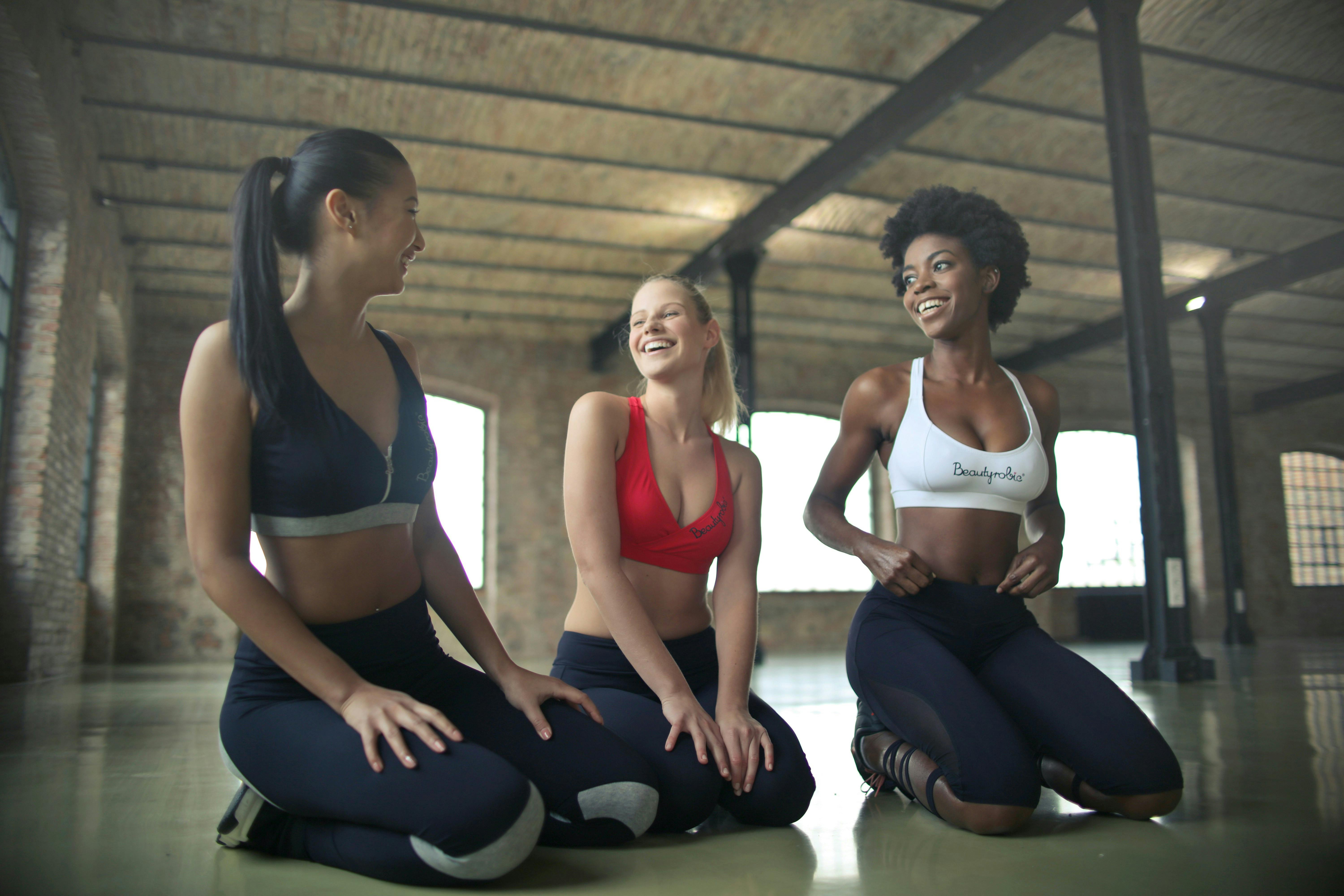
Why Jumping From Workout to Workout Is Keeping You Stuck (And What to Do Instead)
You’re running two to three times a week, going to HIIT classes almost daily, and throwing in the occasional Pilates class for those “toning” benefits. Yet the results just aren’t there like they used to be. On top of that, you’re dealing with constant aches and pains—so much so that you’re forced to take time off from the gym every other week. And despite all the effort, losing the extra 30 pounds you’ve gained since COVID feels harder than ever.
You’ve seen the Instagram reels claiming that recent studies show strength training is key for fat loss—but Pilates and those 5-lb dumbbells in your body pump class count… right? You feel the burn, so it has to be working.
Spoiler alert: feeling a burn isn’t the same as strength training—and it’s not what drives real results.
Not all exercise delivers the same results.
The real difference between HIIT classes, Pilates, barre, running, and traditional strength training comes down to which energy systems and muscle fibres are being used.
As I mentioned in the article, "Weightlifting or Pilates?" Pilates and barre primarily activate slow-twitch (Type I) muscle fibres—the fibres responsible for endurance and fatigue resistance. These are the same fibres used in lower-intensity, sustained activities like barre, Pilates, and long-distance running.
Traditional weightlifting, on the other hand, mainly recruits fast-twitch muscle fibres, which are designed to produce high levels of force quickly. These fibres fatigue faster—but they’re also the ones most responsible for building strength, muscle, and driving meaningful changes in body composition.
While HIIT workouts definitely have their place, they typically don’t emphasize progressive overload—repeating the same core lifts for 4–6 weeks while gradually increasing intensity, most often by adding weight. Without progressive overload, muscle growth simply doesn’t happen.
And without building muscle, that sought-after “toned” look stays out of reach. Muscle is what creates shape and definition. Even more important, the more muscle you build, the more calories your body burns at rest. Increasing muscle mass raises your basal metabolic rate, allowing you to burn more calories throughout the entire day.
Cardio, on the other hand, primarily increases calorie burn during the workout itself—while strength training changes how your body burns calories long after you’ve left the gym.
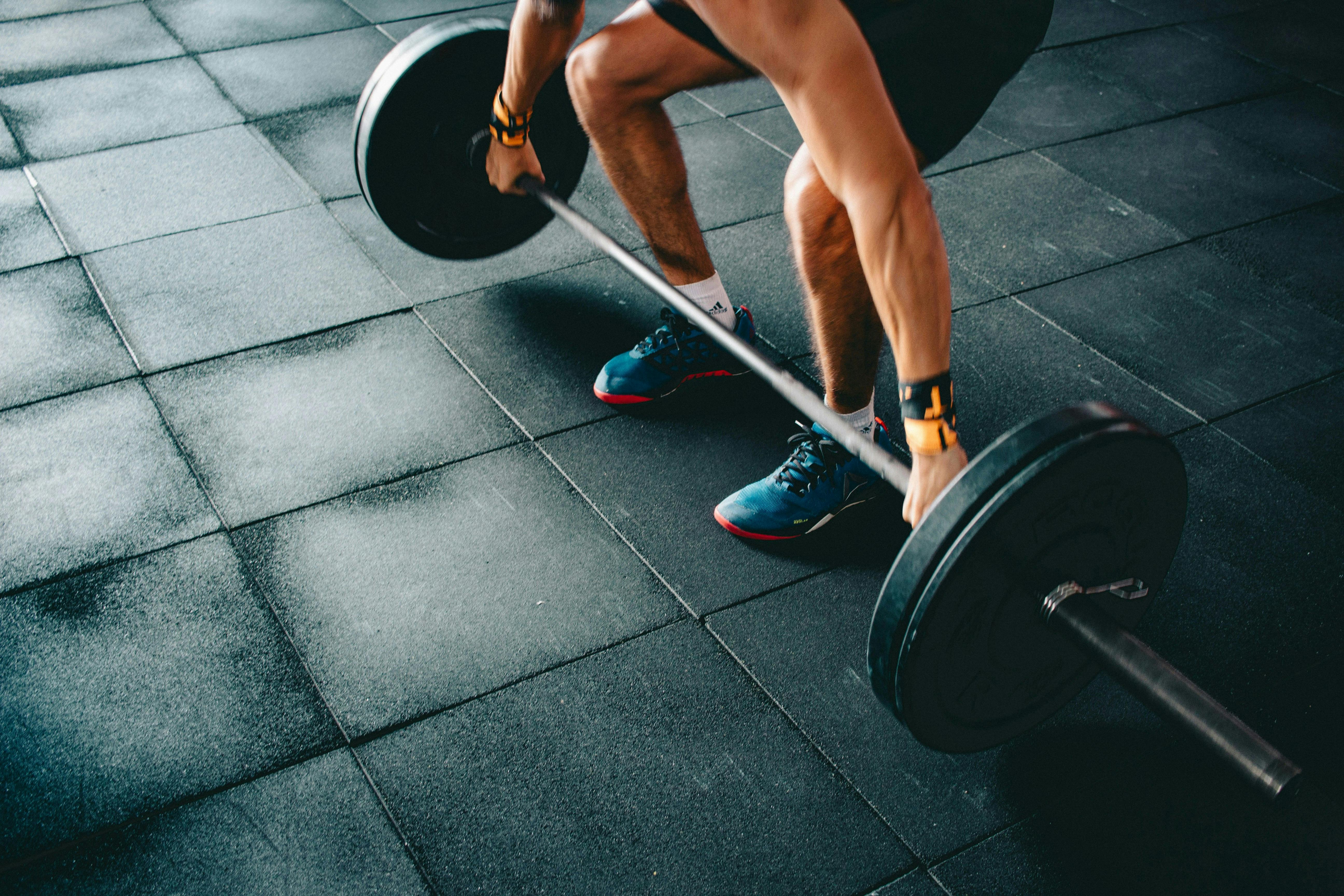
Here’s why you stick with group classes and running—even though you know you need a structured strength plan.
As a woman over 30, you gravitate toward running and group fitness classes because they’re familiar and comfortable. You’ve likely heard that strength training is more effective for fat loss, but cardio feels safer—you know how to do it well. You’re probably competitive and used to feeling confident in your workouts, and struggling in the weight room or not knowing exactly what to do challenges that identity.
Here’s how to start seeing results in half the time—and get toned without relying on group classes.
- Start by evaluating your goals. If you want to lose 10–30 pounds, reduce injuries, improve performance in your sport, or finally get rid of constant aches and pains, traditional strength training needs to be the priority. Just two to three 30–45 minute sessions per week is enough to see results—and, more importantly, to help prevent conditions like osteopenia and osteoporosis as you age.
- Focus on the basics—squats, rows, overhead presses, planks, and chest presses. There’s no need for flashy combo movements. Mastering foundational lifts makes it easier to progressively overload, build muscle, and get stronger as you age.
- Repeat the same exercises for 4–6 weeks at a time. Consistency builds confidence—repetition is how you dial in your form and actually build muscle. It also cuts down on decision fatigue, since you know exactly what you’re doing each week.
- If you tend to get bored, you can rotate accessory work like core exercises more often. That said, if you’re applying progressive overload correctly, the challenge itself should keep things interesting.
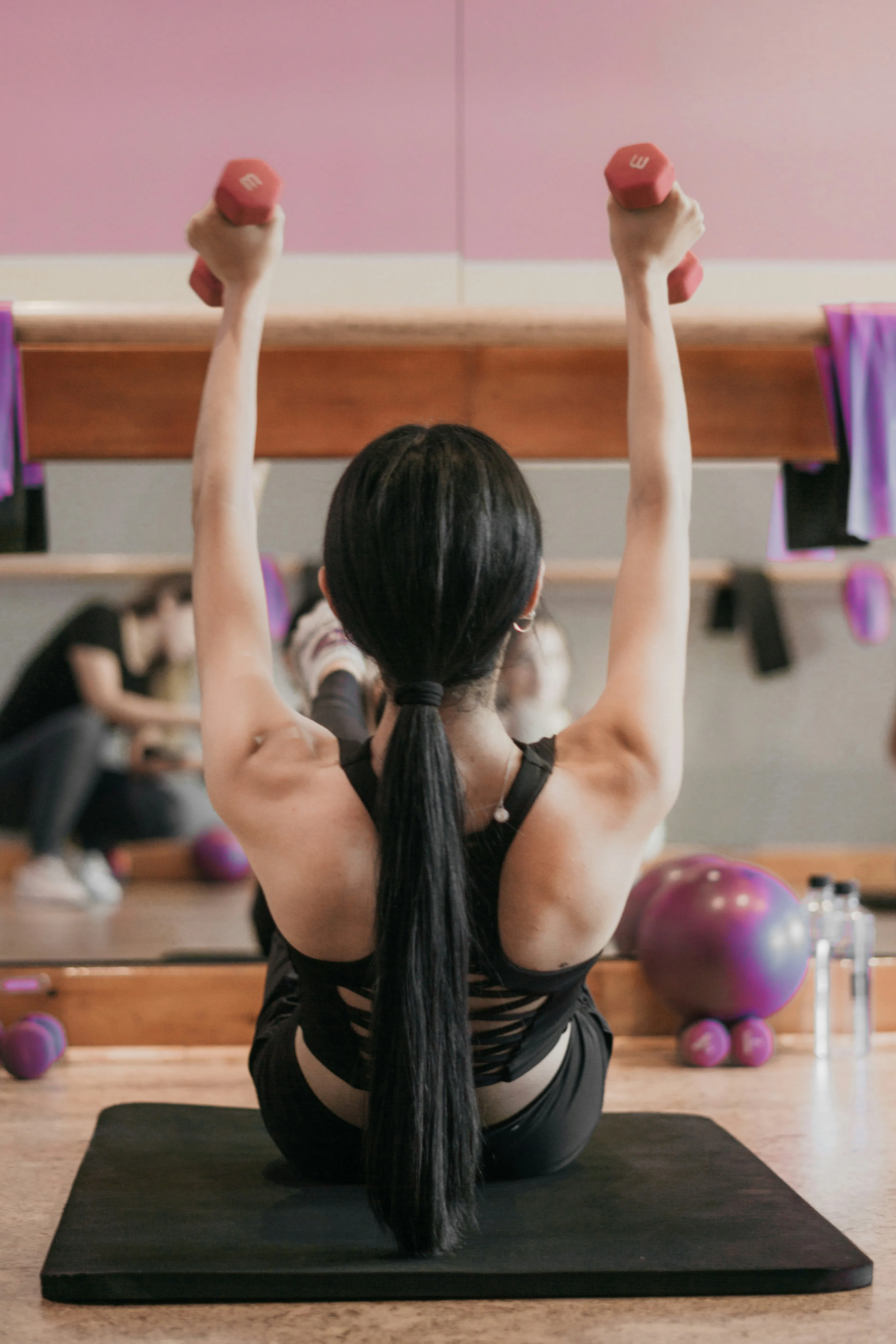
- Remember: just because strength training is key for reaching most goals doesn’t mean you need to eliminate Pilates or cardio. Cardio is still essential for cardiovascular health, and Pilates is an excellent tool for improving mobility, muscular endurance, core strength, and posture.
- The shift is in priority, not elimination. Spend less time on these modalities and more time on strength training—unless your goal is different, like training for a marathon, in which case running should take precedence.
In Conclusion
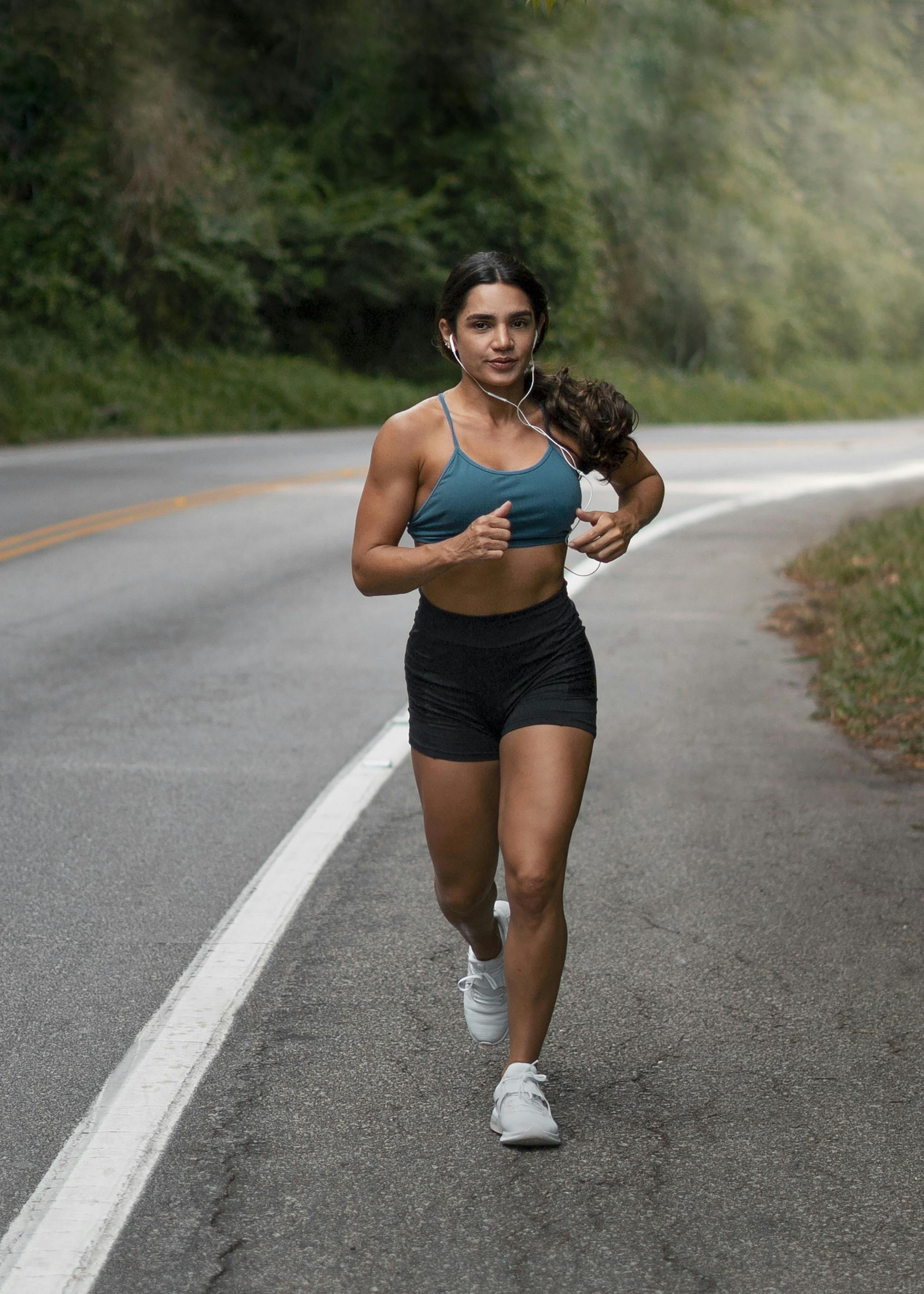
If there’s one takeaway from all of this, it’s that working hard isn’t the same as training effectively. Running, HIIT, and group classes can keep you busy and sweaty—but if your goals are fat loss, fewer aches and pains, and a strong, toned body that actually lasts, they can’t be the foundation of your plan anymore.
Jumping from workout to workout is like me spending an entire day doing housework when my real goal is to build a business. Yes, I was busy. Yes, I was productive. But none of those actions actually moved me closer to building the business I wanted.
Strength training doesn’t require living in the gym or giving up the workouts you enjoy. It requires intention, structure, and patience—focusing on the basics, repeating them long enough to get stronger, and allowing muscle to do what it does best: change your body and support your health as you age. Two to three well-designed sessions per week can outperform hours of random workouts when the plan is right.
You don’t need more classes, more cardio, or more motivation. You need a clear plan that aligns with your goals—and the confidence to step into a phase of training that may feel unfamiliar at first, but delivers results you can’t out-cardio your way into. Prioritize strength, keep what supports your health, and let your training finally start working for you instead of wearing you down.
Sure, you could plug your goals into ChatGPT and hope it spits out something scientifically sound. But it won’t account for real-life variables—or help ensure you actually follow through this time. If you want a clear, structured plan without the overwhelm, you can apply to work with me as your online fitness coach for women here.
You may also like
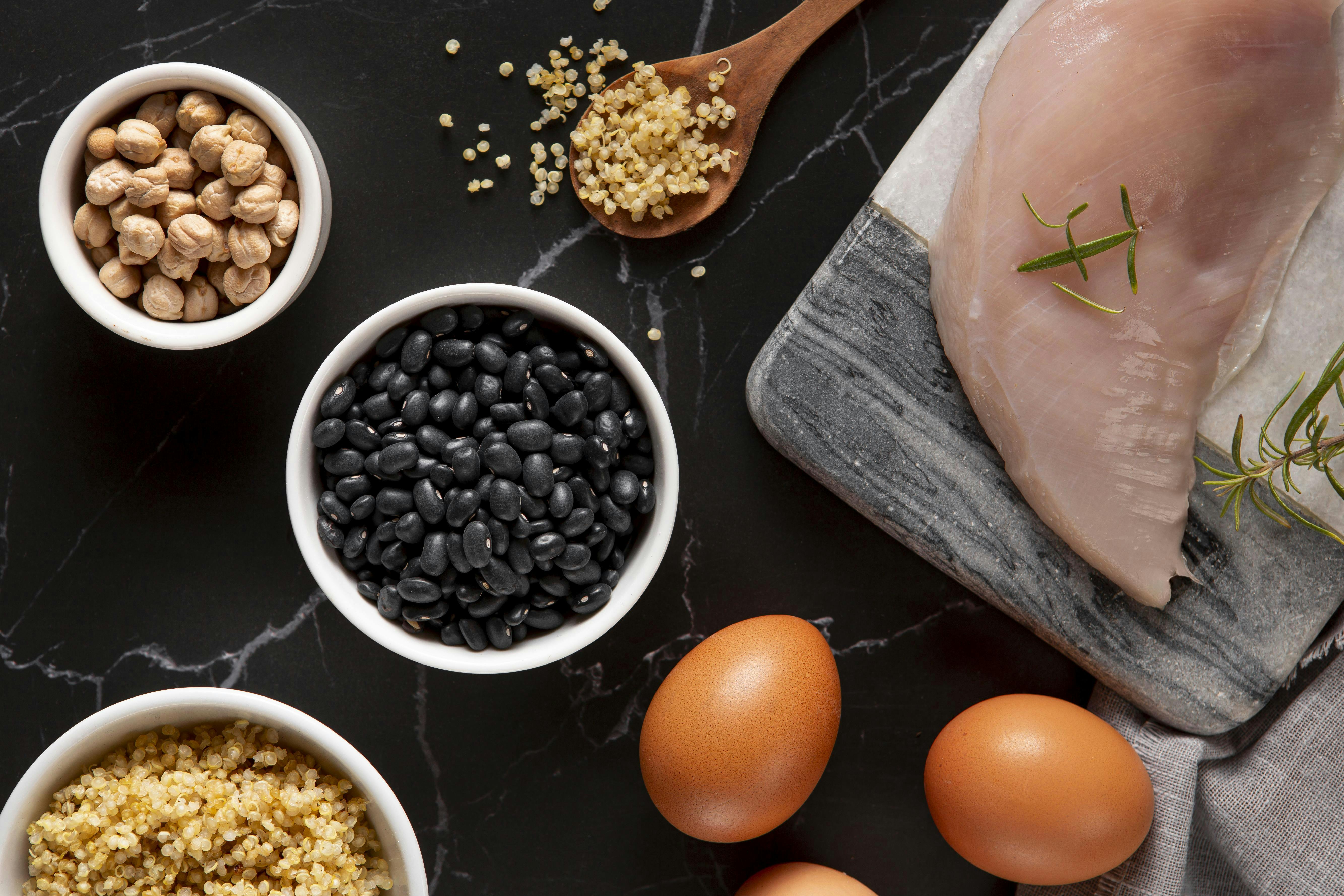
Protein is essential for muscle growth, recovery, and overall health, yet many people don’t get enough. This no-BS guide cuts through the noise, giving you practical ways to increase your intake with real, high-protein foods—each delivering over 10g per serving. No gimmicks, no supplements—just simple, effective strategies to help you hit your protein goals with ease.
Having a structured workout plan is essential for runners as it provides direction and helps optimize performance while reducing the risk of injury. A well-rounded plan ensures a balance of various workouts, speed intervals, strength training, mobility and rest days. By incorporating cross-training, a structured plan supports recovery and improves performance. Whether training for a race or improving general health, a structured approach helps runners reach their potential safely and effectively.
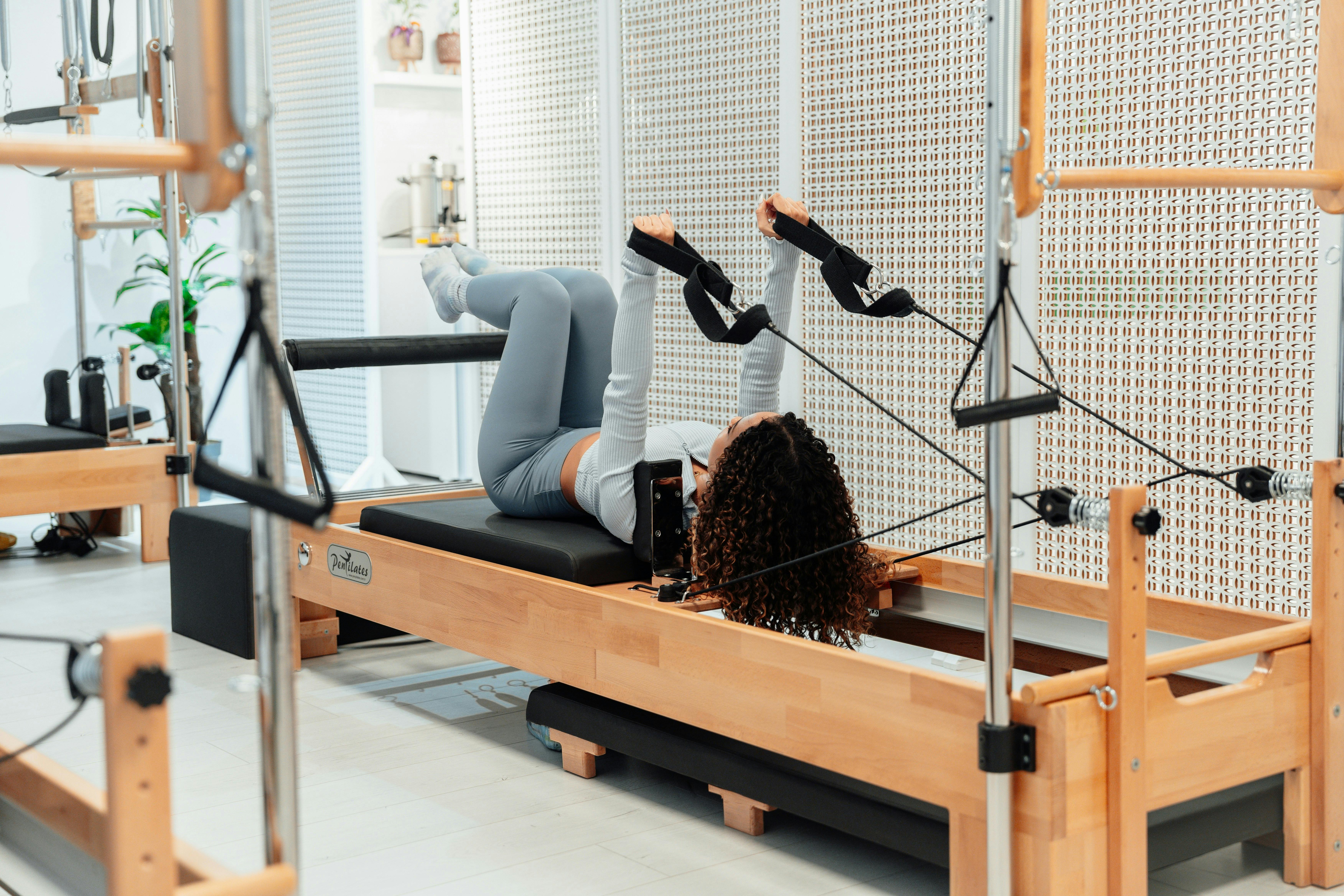
While weight lifting is renowned for building strength and muscle mass through resistance training, Pilates focuses on improving flexibility, core strength, and overall body awareness. Despite both methods aiming to enhance physical fitness, they vary significantly in their techniques, intensities, and goals. In this article, I discuss the key differences between traditional strength training and pilates.